60% of score
Sustained Investigation
15 works (digital images) that keep pushing one question further. Admissions officers are reading how your thinking deepens, step by step.
Full support across 2-D Design, 3-D Design, Drawing and Art History. Courses start every January, and teachers follow the work from topic selection through to digital submission.
Focus
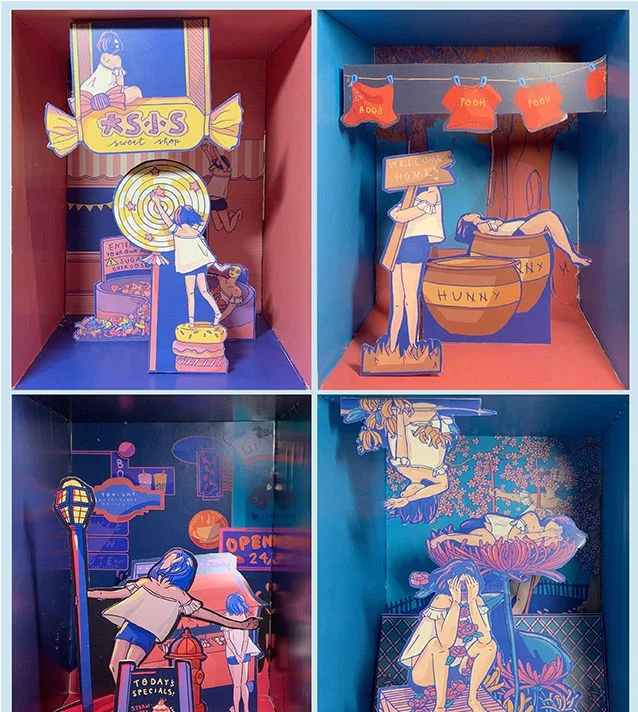
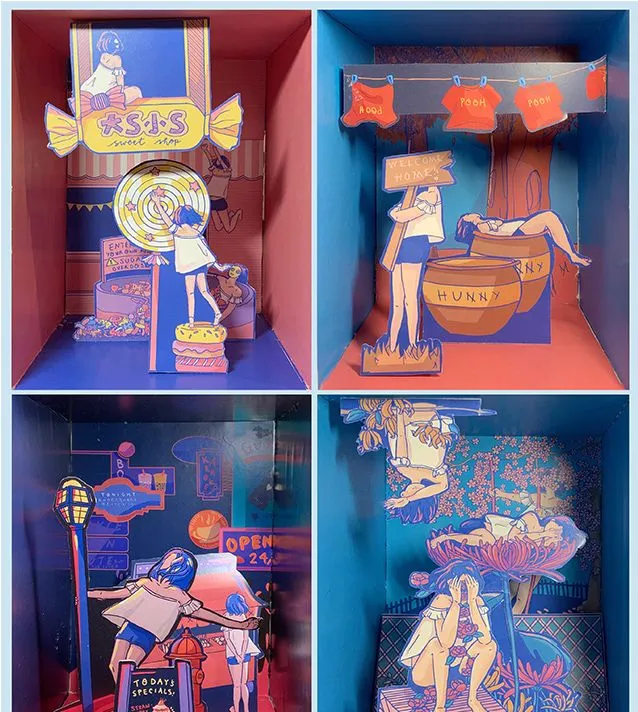
3-D Design does not test whether you can model — it tests how you use material, space and structure to pursue a question. Students can start from ceramics, paper, wood, plaster, fabric, found objects, 3D printing or light installation.
We split the year into two tracks: 15 sustained investigation works, and 5 selected works. The first trains thinking; the second trains finish.
15 works (digital images) that keep pushing one question further. Admissions officers are reading how your thinking deepens, step by step.
5 works that best represent you, showing material control, technical maturity and a complete creative intent.
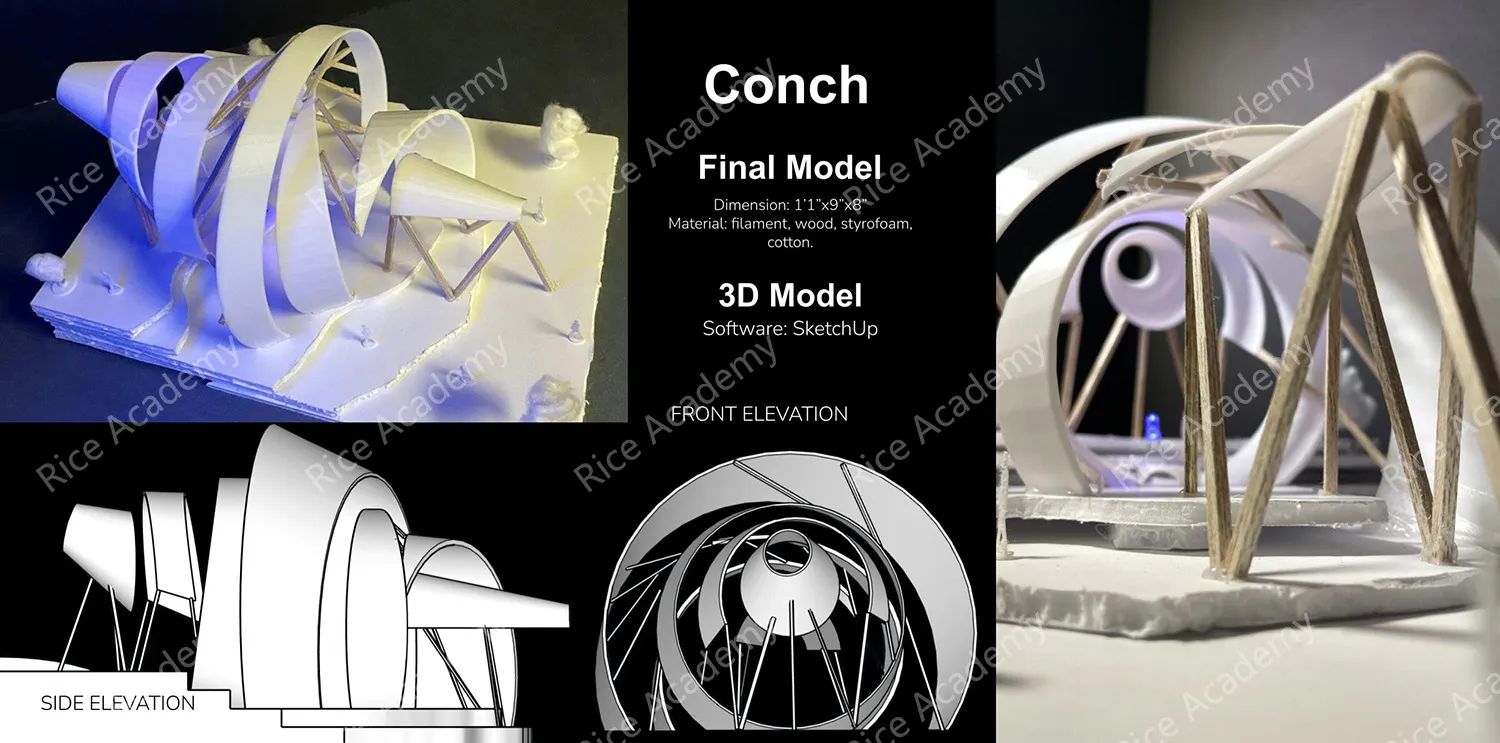
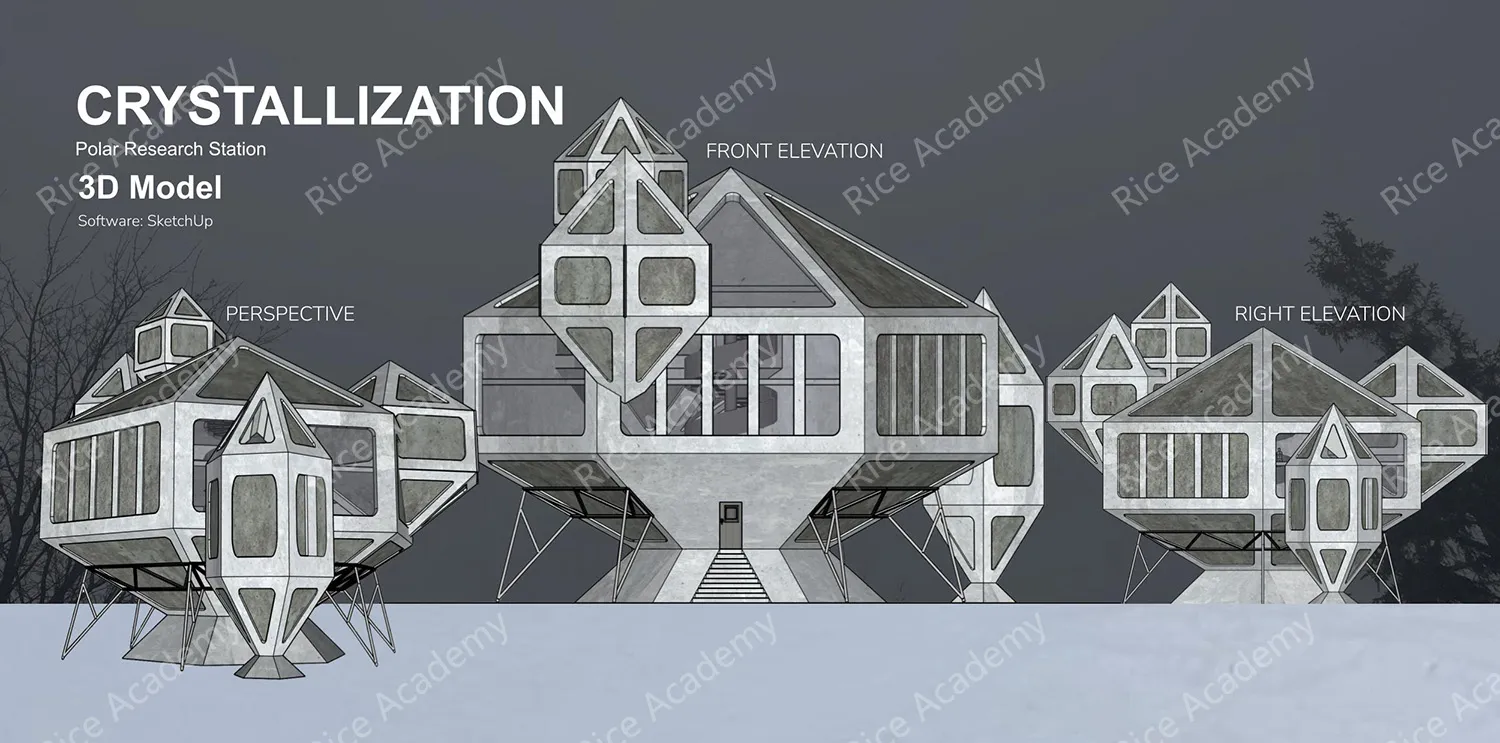
Ceramics · Paper · Wood · Plaster · Metal · Fabric · Found objects · 3D printing · Light installation
Four subjects
Choose by target major and the student's foundation. 3-D and 2-D can be prepared together, Drawing is the base for most directions, and Art History suits students heading toward curating, art history or a comprehensive university.
Sculpture, ceramics, architectural models, installation and 3D printing. Use material and space to explore a question you can keep returning to.
Ceramics · Paper · Wood · Plaster · Metal · Fabric · Found objects · 3D printing · Light installation
Graphic design, photography, printmaking, digital painting and mixed media. The focus is composition, visual language and the logic between images.
Graphic design · Photography · Printmaking · Digital painting · Collage · Mixed media
Drawing, colour, the figure and material experiments. Build reliable observation and a personal mark through line and value.
Charcoal · Graphite · Watercolour · Oil · Pastel · Mixed media
Global art history from prehistory to the present, training image analysis, comparison and academic writing — the only exam-based AP Art subject.
250 works · Ten units · Image comparison · Academic writing
Why AP
Each AP course can lift a student's GPA by roughly 0.1 — one of the first things top US universities look at.
More than 90% of colleges and all universities in the US and Canada accept AP scores and award university credit.
AP is first-year university content. How many a student takes, and how they score, is a key signal of willingness to be challenged.
A university course usually costs thousands of dollars. One AP exam is $92 — and can shorten a degree.
Results
Perfect AP Art score
2018 · 2019, two years running
Ivey scored a perfect 5 in AP Drawing & Painting.
Shi Boyu earned a perfect score on the AP Art exam.
Timeline
Assess existing work and define the core question of the Sustained Investigation.
Weekly studio critiques, documenting process and thinking as the work develops.
Choose the 5 Selected Works, then shoot, retouch and write the accompanying statements.
Upload and confirm everything in the AP Art and Design system.
Scored out of 5. A 3 or above earns university credit at most schools.
FAQ
No answer here? Call us — we usually reply the same day.
416-319-5784Yes. We start with the basic language of material and space — paper structures, plaster moulds, assembled found objects — then move to 3D printing. What determines the score is the depth of the sustained investigation, not whether you could model on day one.
No — they reinforce each other. The 15 AP works can become core projects in the portfolio, and we plan the two timelines together so no work is duplicated.
We usually recommend one or two. AP Art demands substantial studio hours; two is already a tight schedule and depends on the student's foundation and available time.
Students need to read academic texts and write in English. We build image-analysis sentence patterns and writing practice into the course; it suits Grade 10+ students with intermediate-to-advanced English.
Everything is submitted digitally. 3-D works are photographed from multiple angles to specification, and we provide photography and retouching guidance — nothing is shipped.
Next
Courses start every January with submission in spring. We recommend settling the direction 2–3 months ahead.