From traditional fine art to game design, animation, industrial design and digital futures — helping students across Toronto and Canada find the right major and the right portfolio direction.
Architecture and interior design are kept separate, as are digital media and
digital futures. Each major is its own application direction and portfolio
system, so students in Toronto and Markham can work through their target
school list one by one.
01
Animation
动画
2D · 3D · Character Design · Environment Design · Storyboard · Stop Motion · VFX · Motion Graphics
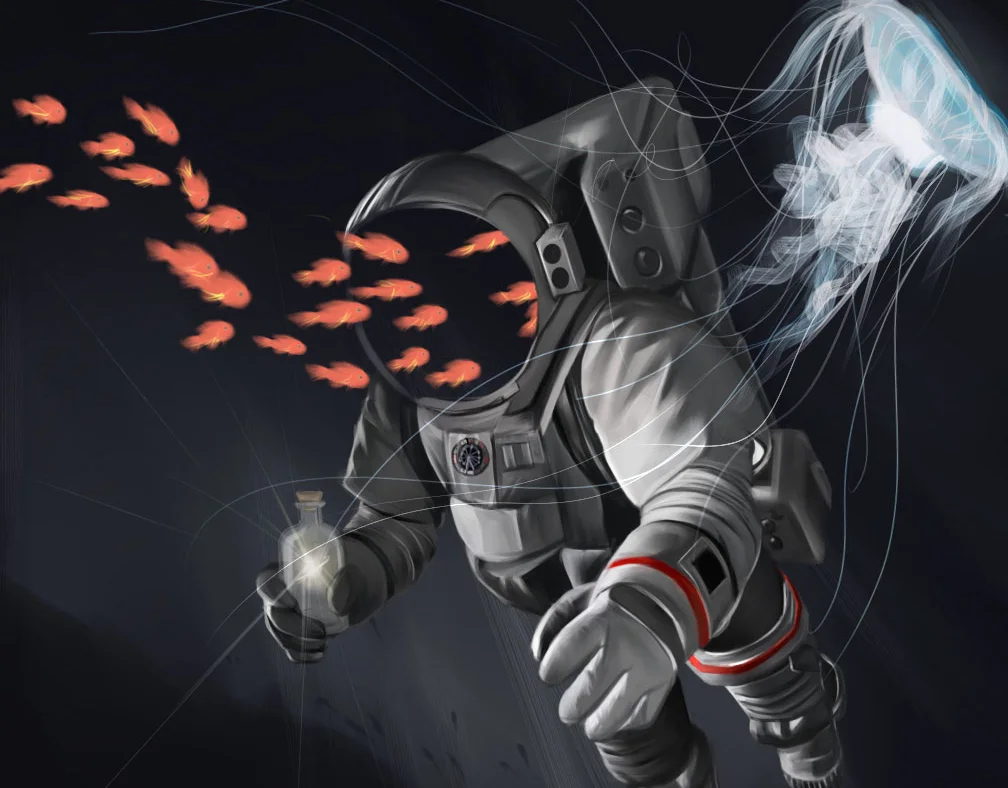
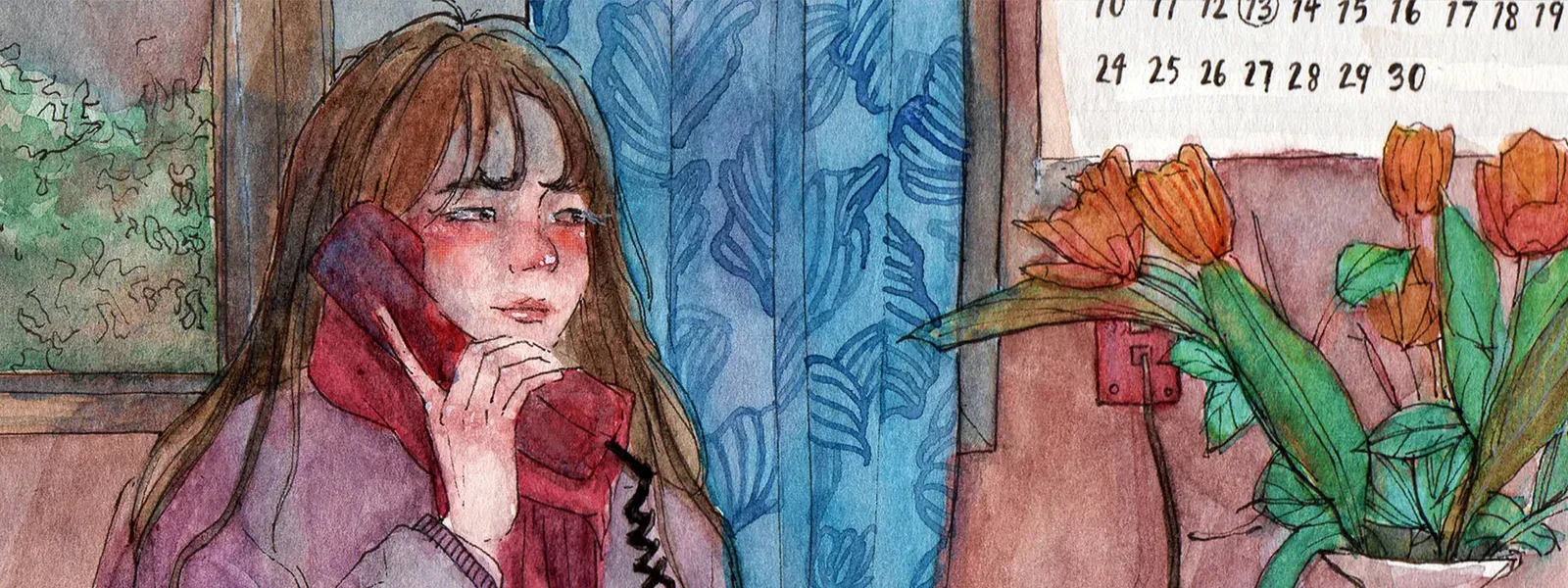
Animation focuses on visual storytelling over time. A portfolio needs to show an understanding of animation principles, character performance, storyboard design and a finished short or demo of real quality.
Game Art · Character Design · Environment Design · Concept Art · Level Design · Visual Development
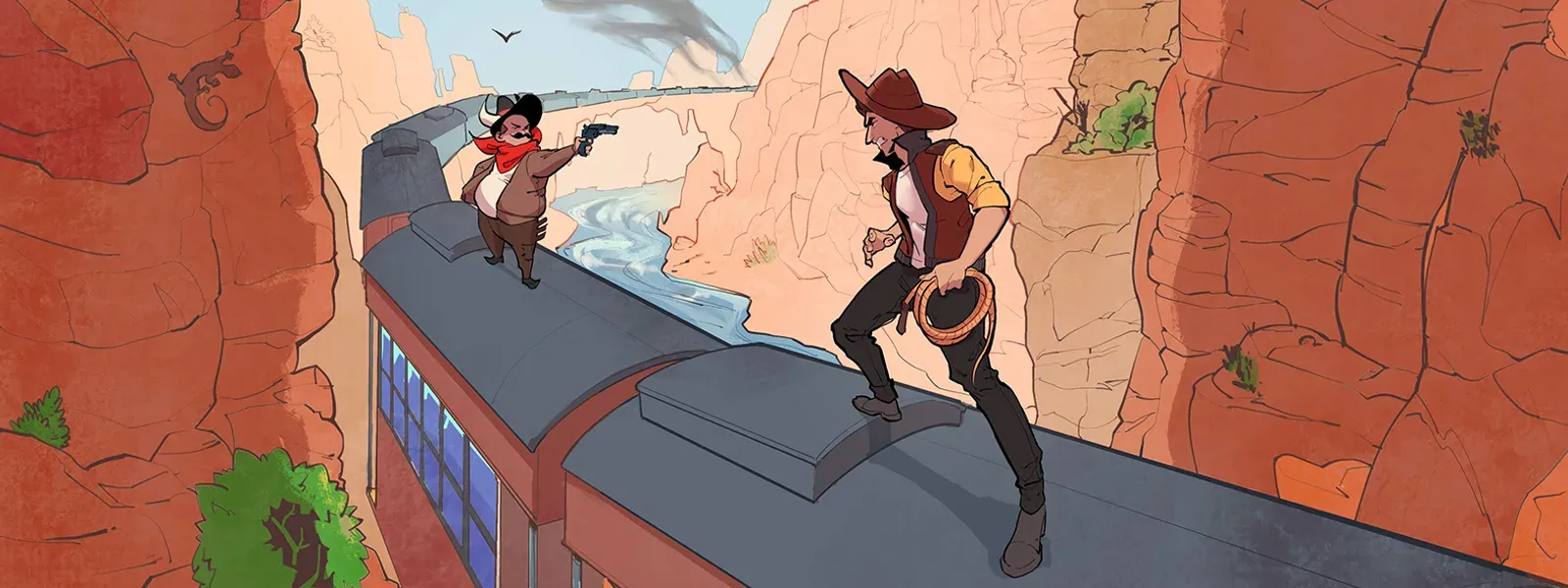
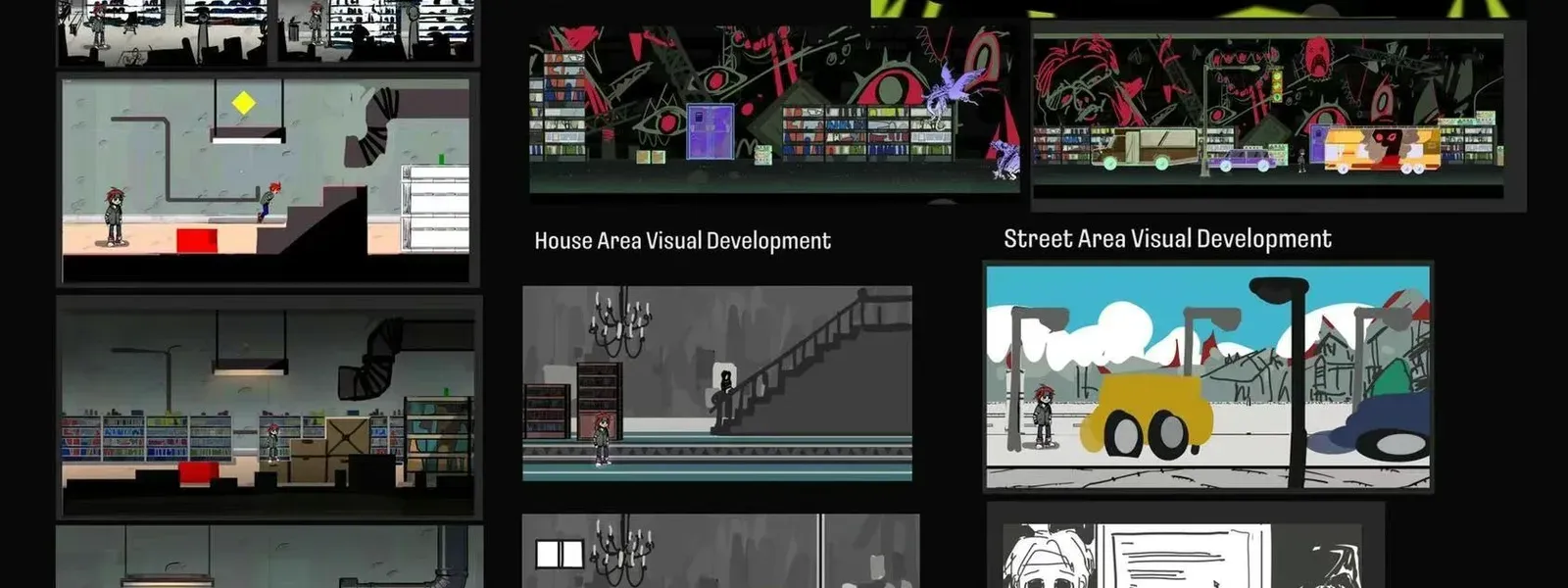
Game design focuses on game art and interactive experience. A portfolio should show characters, environments, level design and visual development, plus a playable prototype or a body of game art assets.
Example project types
Indie game art pack (characters + environments + UI)
Level design document and prototype
3D game character models and textures
Concept art series (environments / props / creatures)
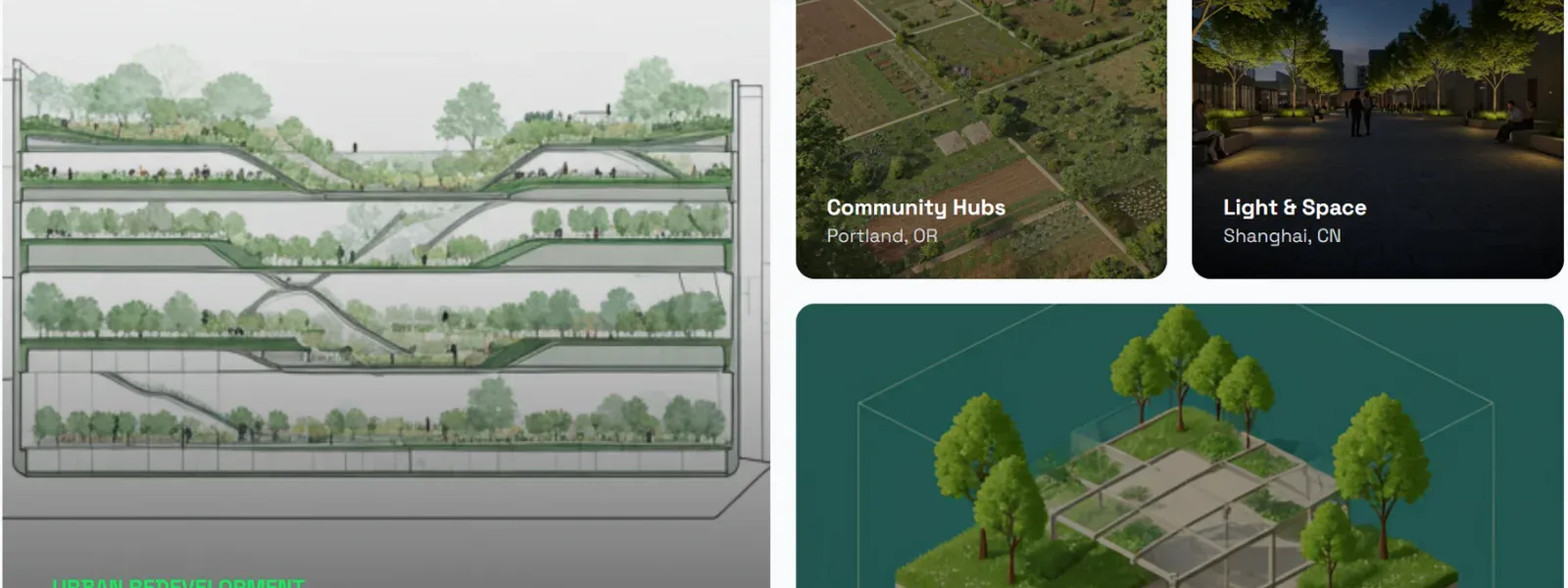
Architectural Design · Concept · Model Making · Urban Design · Landscape · Sustainable Architecture
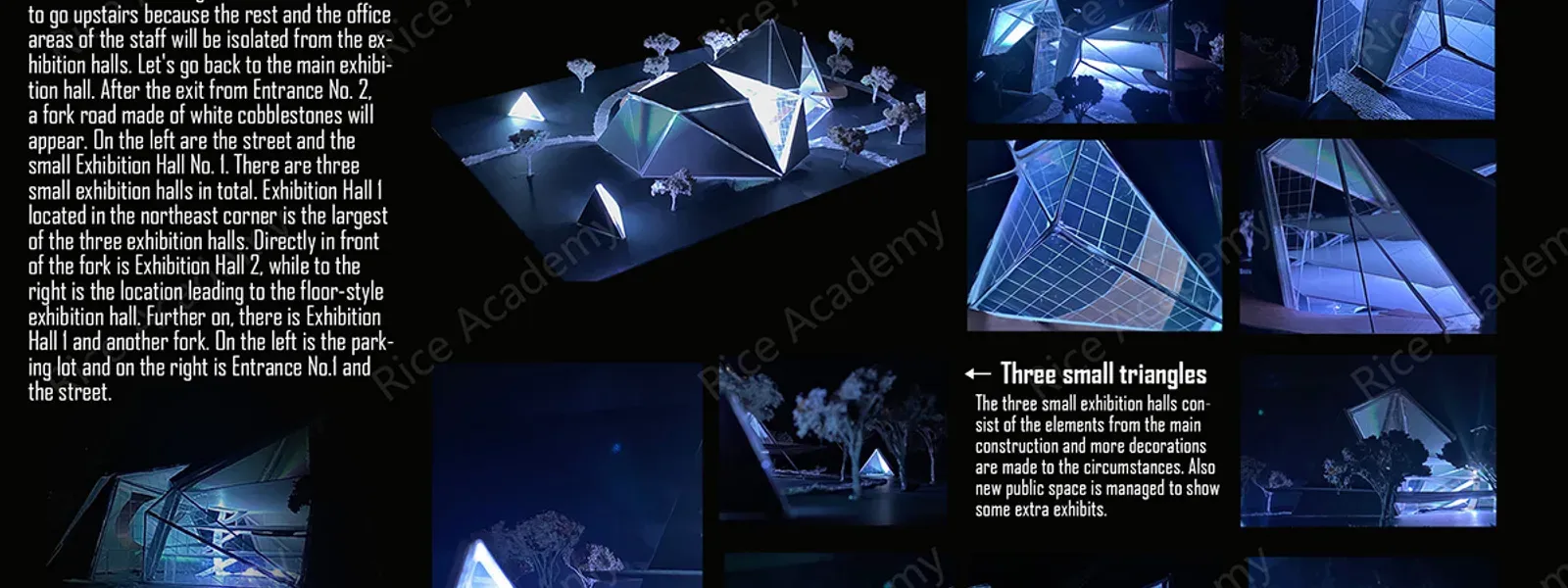
Architecture focuses on spatial structure and the relationship to context. A portfolio needs architectural concepts, drawings, models, site analysis and a clear design statement.
Editorial · Children's Book · Character · Concept · Narrative · Digital Illustration
Illustration sits at the centre of visual storytelling. A portfolio needs narrative ability, character building and stylistic consistency, and suits applications to commercial illustration, children's books and concept design.
Example project types
Editorial illustration series (magazine / newspaper)
Painting · Drawing · Sculpture · Printmaking · Mixed Media · Installation · Conceptual Art
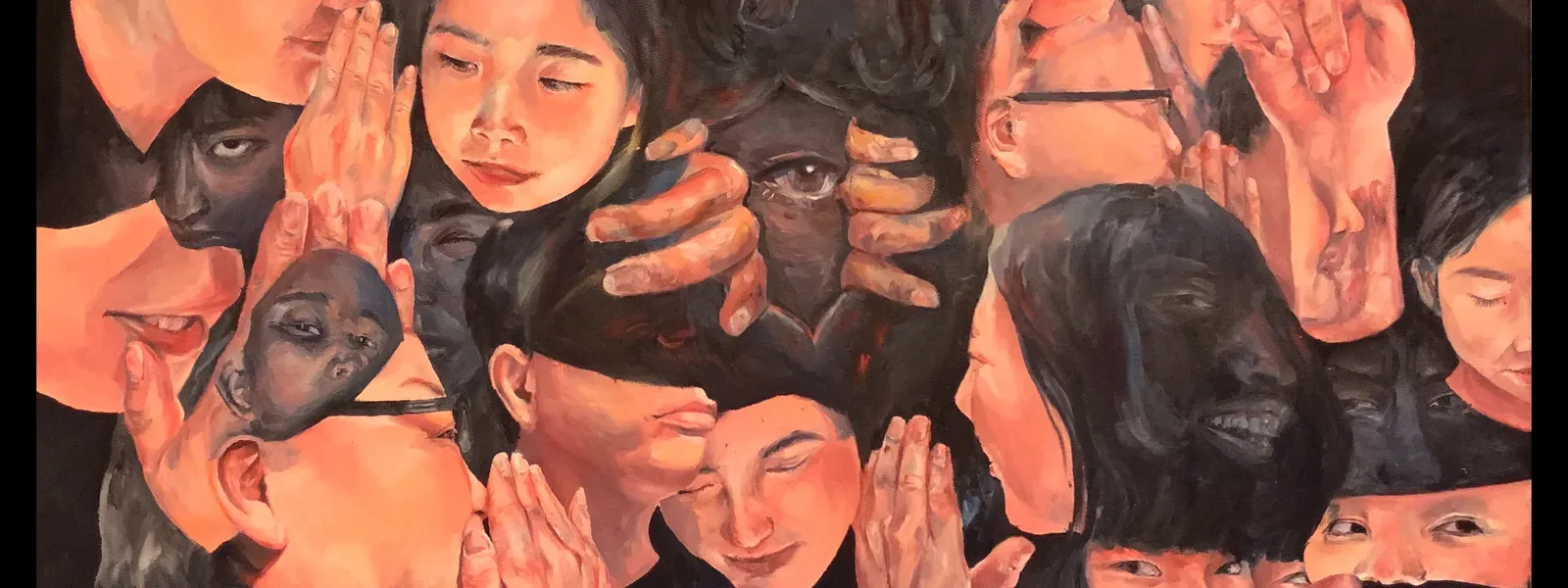
Fine art emphasises personal expression and aesthetic judgement, and is the most traditional route into art school. A portfolio needs to show formal skill, material understanding and conceptual thinking.
Film and media production focuses on audio-visual narrative and cinematic language. A portfolio should include short films, directing scripts, storyboards, edited work and production design.
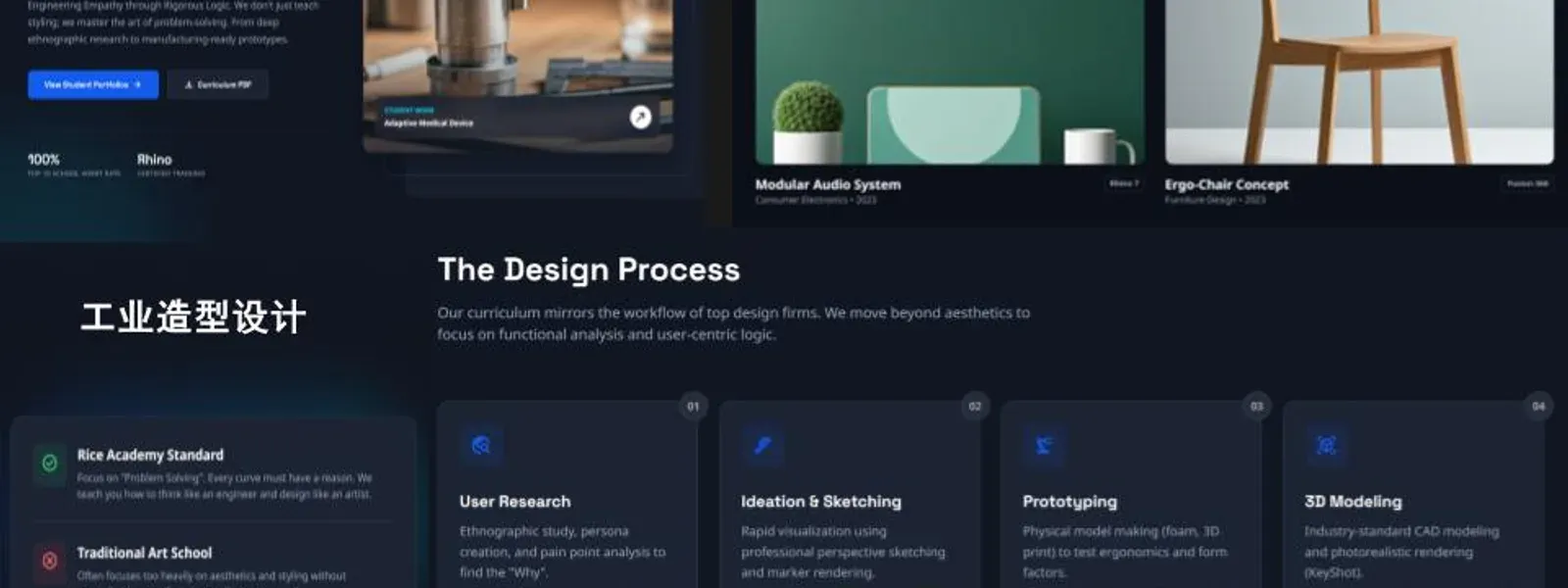
Industrial and product design focuses on user needs and real-world realisation. A portfolio needs user research, product teardown, sketching, 3D models and physical prototypes.
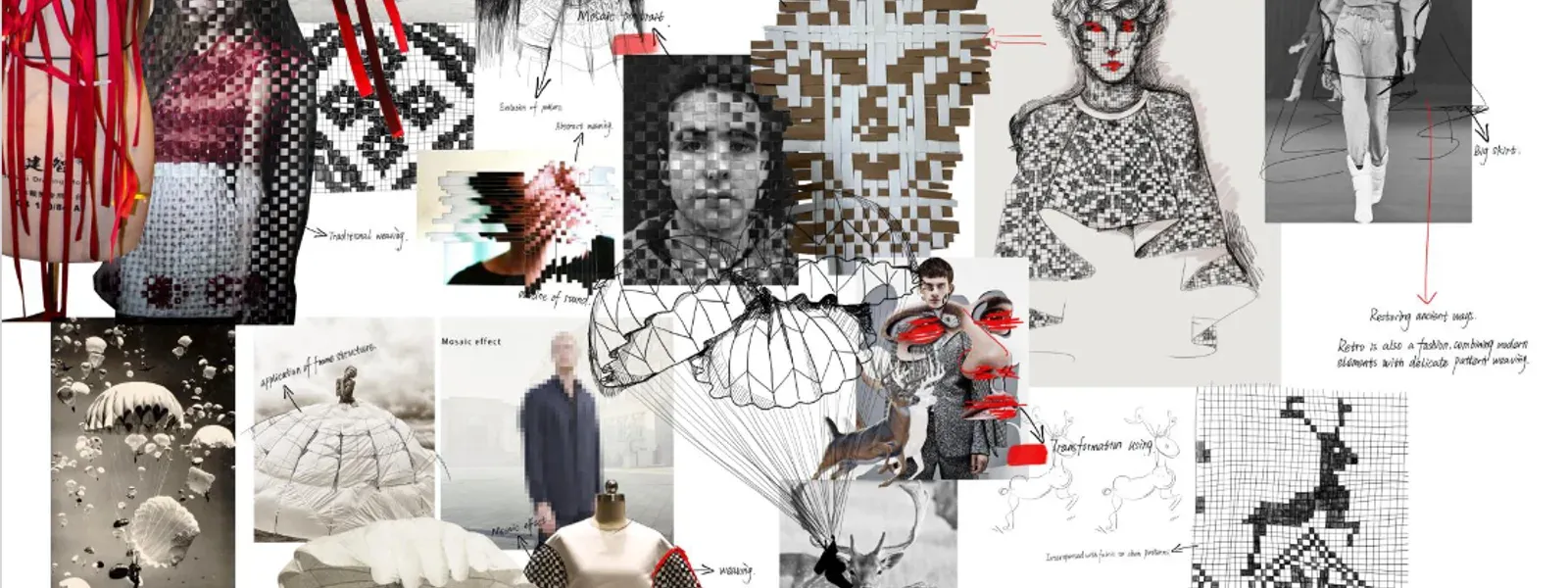
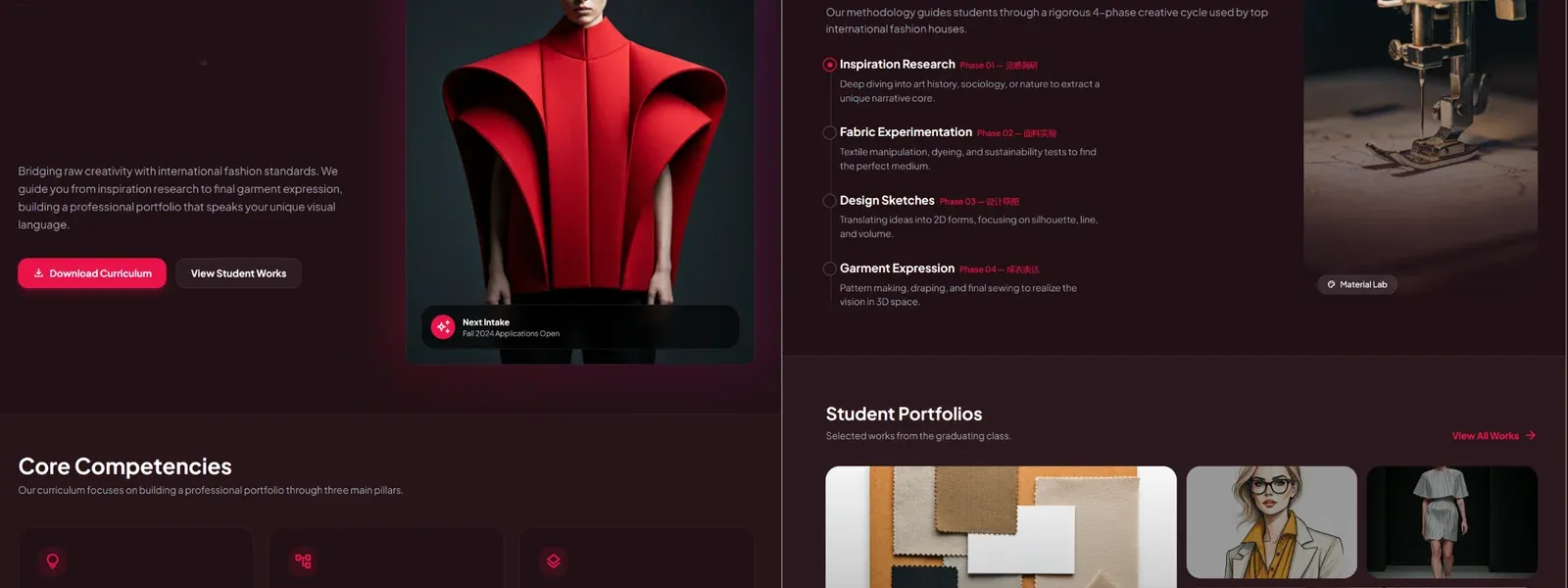
Fashion and textile design focuses on the human form and material innovation. A portfolio needs garment design, fabric development, prints and a concept collection.
Jewelry and accessory design focuses on small wearable objects and metalwork. A portfolio needs jewelry sketches, metalwork, stone setting and wearable art.
Interior and spatial design focuses on the relationship between people and space. A portfolio needs space planning, floor plans, renderings, materials and lighting design.
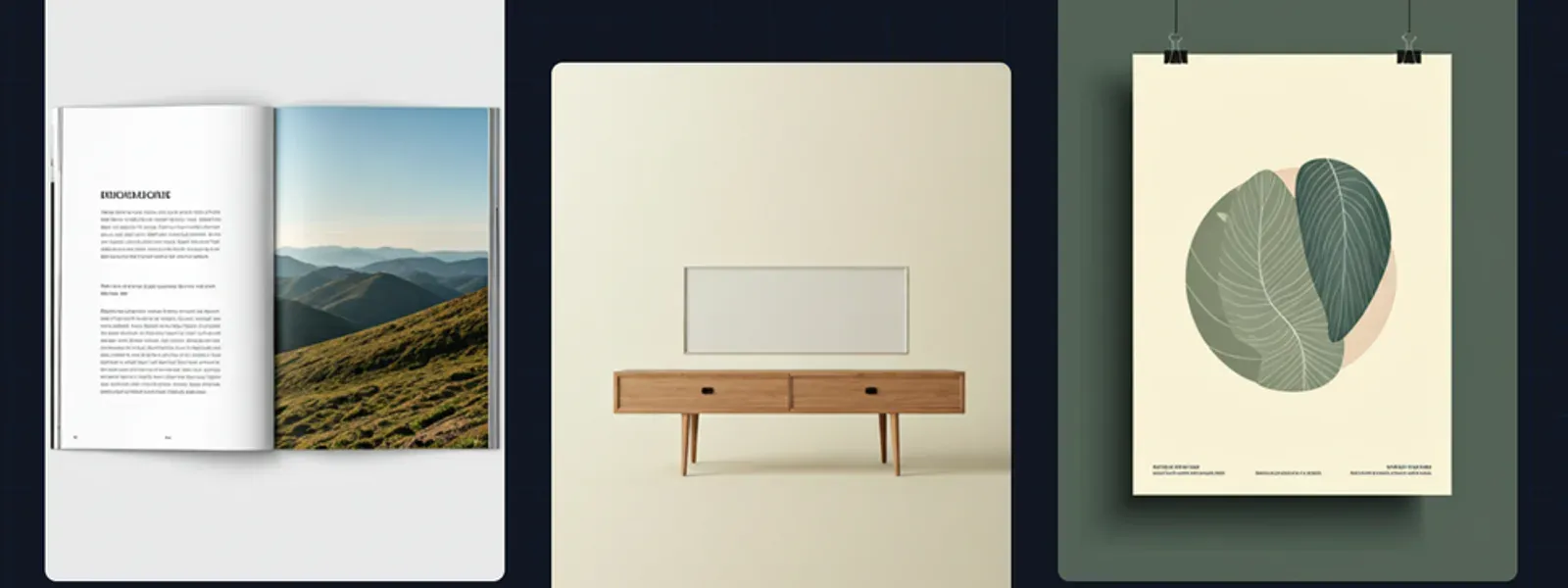
Graphic and communication design focuses on visual symbols and information. A portfolio needs typography, brand identity, posters, packaging and editorial design.
Advertising · Art Direction · Brand Communication · Commercial Visual · Creative Strategy · Integrated Marketing
Advertising and creative direction focuses on commercial visuals and creative strategy. A portfolio needs campaign ideas, art direction, brand communication and integrated marketing plans.
Example project types
Integrated marketing campaign (online + offline)
Advertising visual series (print + digital + social)
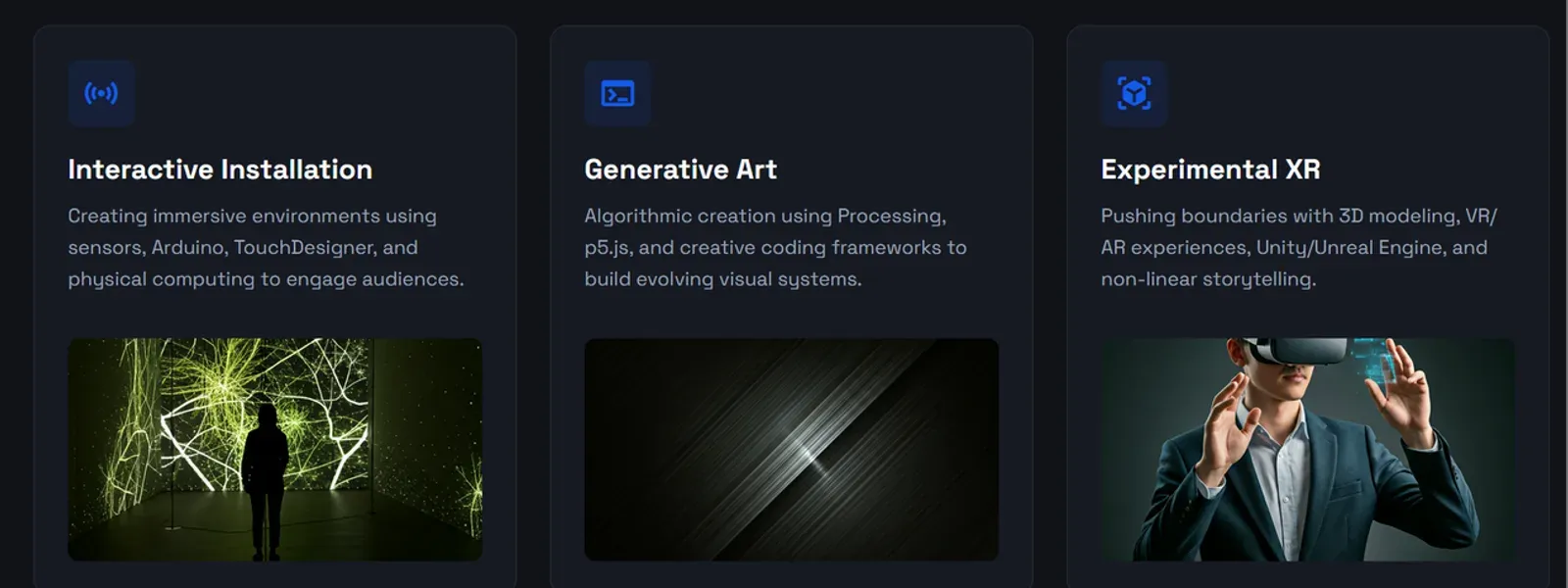
UI/UX · Web Design · Motion Graphics · Digital Art · VR/AR · Interactive Installation
Digital media and interactive design focuses on screens and interaction. A portfolio needs UI/UX interfaces, web design, motion graphics and digital art.
Creative Technology · AI Art · Creative Coding · Futures Design · Generative Art · XR · Future Lifestyle
Digital futures and emerging design focuses on technological exploration and experimental art. A portfolio needs creative coding, AI art, future design concepts and virtual reality experiences.
How long does an art school portfolio take to prepare in Toronto?
Usually 12–18 months. Students with a strong foundation can compress this to 8–10 months; for complete beginners, or for competitive targets such as OCAD U, Sheridan, RISD and Parsons, we recommend starting 18 months out to leave room for material exploration and revision.
How many pieces does a Canadian art school portfolio need?
Most schools ask for 10–20 pieces. OCAD University, Sheridan College and Emily Carr each publish specific prompts and formats; we work through your target list item by item so that quantity, media and prompt requirements are all covered.
Can a complete beginner start a portfolio?
Yes. The course begins with observational drawing, composition and colour, then moves into major-specific projects. The school has taught in the Greater Toronto Area since 2006, with students from Toronto, Markham, Richmond Hill and Vaughan — and online coaching is available.
Do I have to do all 14 majors?
No. Students usually choose one or two primary directions and go deep on the requirements of their target schools, using the other directions to extend style and range. The choice is settled during the first portfolio assessment.
Is the Markham campus far from downtown Toronto?
The campus is at Unit 7, 505 Hood Road, Markham (Hood Road and Woodbine, in the T&T plaza), with free parking. It is a 20–30 minute drive from North York or Scarborough, and online portfolio coaching can be booked as well.
How do I book a portfolio assessment?
Call 416-319-5784 or 416-826-5816, or leave a message through the form on the home page. We look at the student's existing work first, then suggest a major, a school list and a timeline.
Next
Start planning your art school portfolio.
14 major directions, open year-round, enrol any time.